
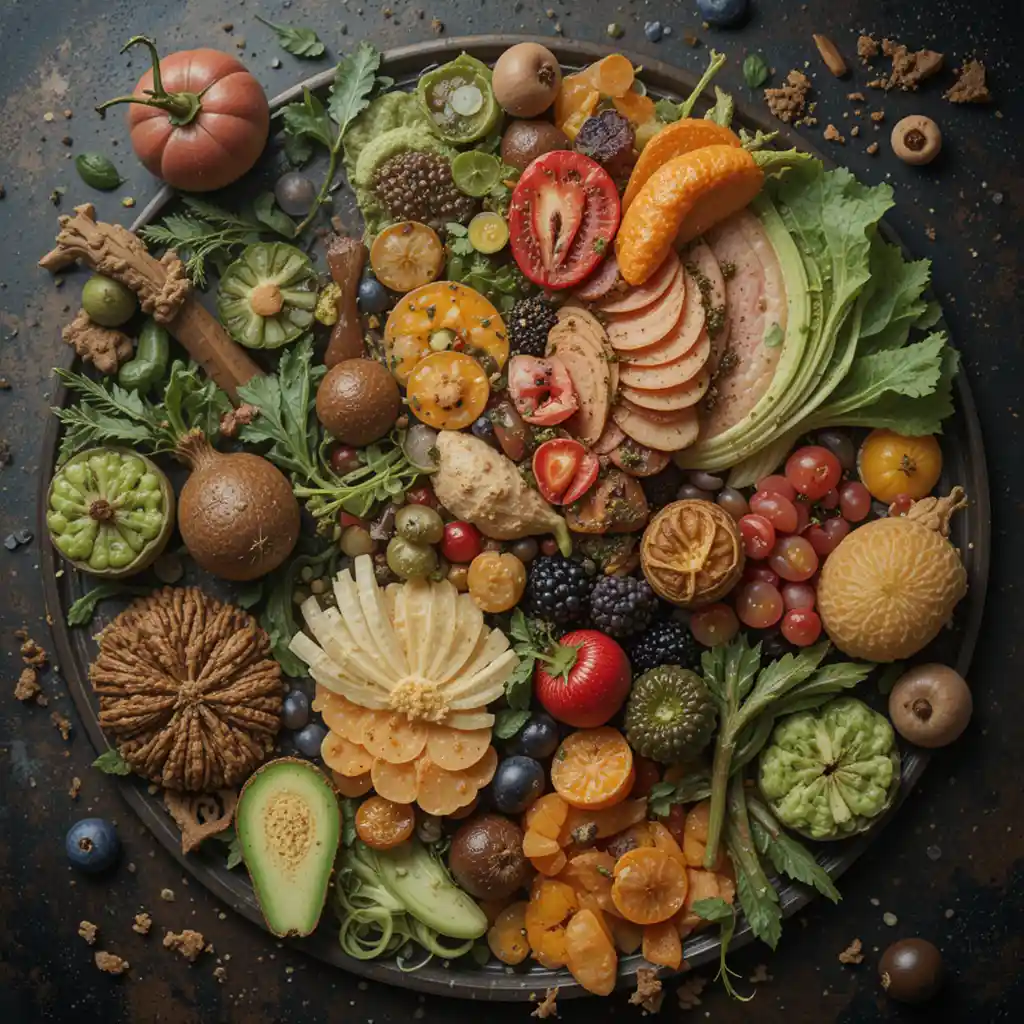
Many people are surprised to learn just how much what we eat affects how we feel. Nutrition and mood are deeply connected. The foods we consume not only fuel our bodies, but also have a significant impact on brain function, emotional balance, and overall mental well-being. In fact, a growing body of research shows that a healthy diet can play an essential role in reducing symptoms of anxiety, depression, and stress.
How Food Affects the Brain
Our brains require a constant supply of nutrients to function properly. Vitamins, minerals, and amino acids support the production of neurotransmitters—chemicals like serotonin and dopamine—that regulate our mood and emotions. When we lack these nutrients, it can lead to irritability, fatigue, and mental fog. A balanced diet rich in leafy greens, whole grains, lean proteins, and healthy fats helps fuel the brain and keep it sharp. Omega-3 fatty acids from foods like salmon and walnuts are especially important for memory and focus. B vitamins play a key role in energy production, while magnesium can help calm the nervous system. Even mild dehydration can negatively impact concentration, so drinking enough water throughout the day is essential. In short, what we eat directly affects how we think, feel, and process information. By nourishing our brains with the right foods, we set ourselves up for better mental clarity, stable moods, and long-term cognitive health.
Blood Sugar and Mood Swings
Eating too much sugar or skipping meals can cause blood sugar levels to spike and crash, leading to mood swings and low energy. These rapid fluctuations don’t just affect your physical energy — they can also influence concentration and emotional balance. When your body burns through sugar quickly, the “crash” that follows often leaves you feeling irritable, anxious, or mentally drained. Maintaining stable blood sugar by eating regular, balanced meals with protein, fiber, and healthy fats can help keep emotions more stable throughout the day. Simple habits like starting your morning with a protein-rich breakfast, avoiding overly processed snacks, and including complex carbs such as oats or quinoa can make a huge difference. Healthy fats from nuts, seeds, and avocados also slow digestion, preventing spikes and crashes. By focusing on consistent, balanced eating, you provide your brain and body with steady fuel, supporting both emotional well-being and long-lasting energy.
Gut Health and Mental Health
The gut and brain are closely connected through what’s known as the gut-brain axis. This communication system allows signals to travel back and forth, meaning that what happens in your digestive system can directly affect how you think and feel. A healthy gut microbiome can positively influence mood, stress levels, and even cognitive function. On the other hand, an imbalance in gut bacteria may contribute to issues like anxiety, depression, or brain fog. Eating probiotic-rich foods like yogurt, kefir, and fermented vegetables can support gut health and, in turn, improve mental well-being. Prebiotics, found in foods like bananas, garlic, onions, and oats, also play an important role by feeding the beneficial bacteria in your gut. Together, they help create a balanced environment that supports both digestion and emotional stability. By paying attention to gut health, you’re not just supporting your body, but also nurturing your mind.
Foods That Boost Mood
Certain foods are known for their mood-enhancing properties. For example, fatty fish such as salmon is rich in omega-3 fatty acids, which support brain health. Leafy greens and legumes are high in folate, a vitamin linked to lower depression risk. Dark chocolate, berries, and nuts are also packed with antioxidants that can help reduce inflammation and support a healthy mind.
Final Thoughts
Making healthy food choices isn’t just good for your body—it’s essential for your mental health too. By choosing whole, nutrient-dense foods and limiting processed foods and sugars, you can improve your mood, energy, and overall quality of life. Start with small changes, listen to your body, and notice how better nutrition can lead to a better mood.


0 Комментарии